Our approach draws on the six axes of the Global Climate Action Agenda, adapted here to the Philippine context.
Transitioning Energy, Industry, and Transport
From business electricity use to everyday transport, energy decisions shape our path to net zero. Priorities include renewable energy procurement, energy efficiency, industrial decarbonisation, and cleaner mobility that supports reliable services and competitive businesses.
Learn moreProtecting Forests, Oceans, and Biodiversity
Philippine forests, mangroves, and coastal ecosystems support both livelihoods and climate resilience. Action means protecting and restoring these ecosystems while recognising the knowledge, rights, and participation of Indigenous Peoples and local communities.
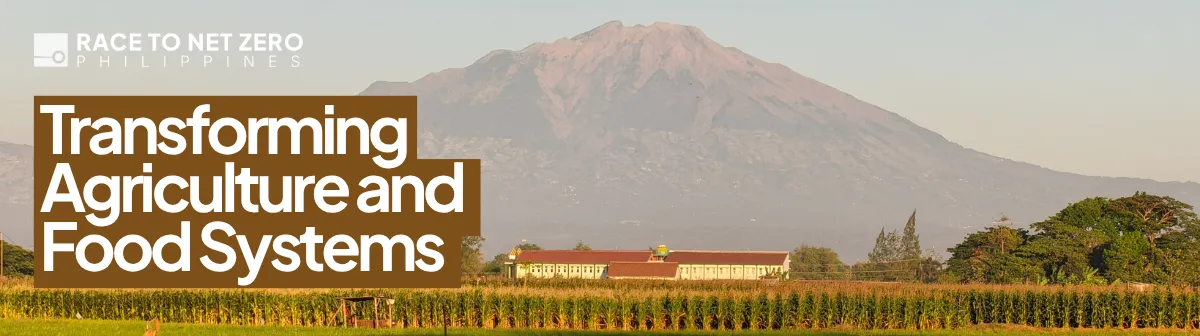
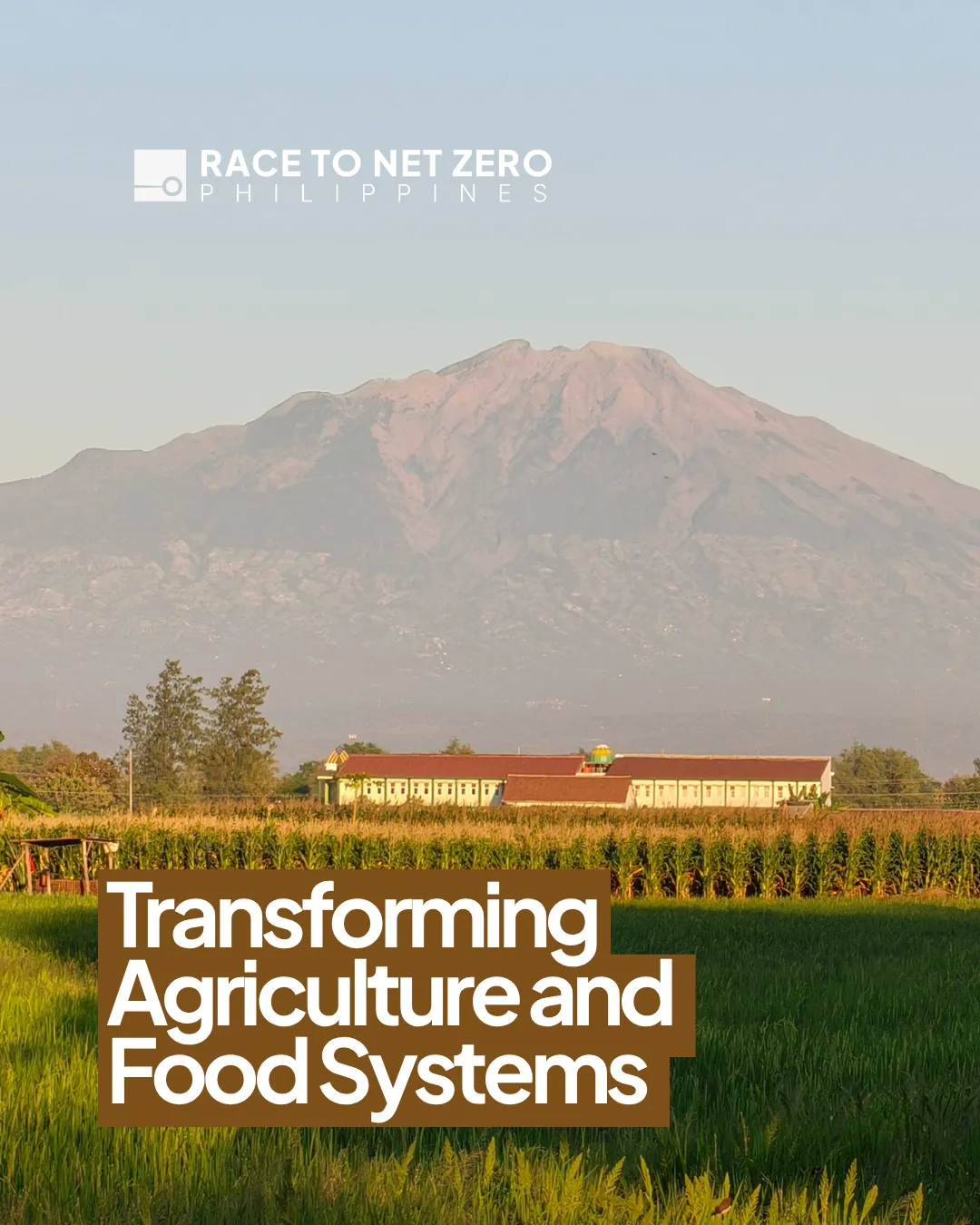
Learn moreTransforming Agriculture and Food Systems
Climate action extends from farms and fisheries to markets, businesses, and households. Opportunities include reducing food loss and waste, putting agricultural residues to productive use, and supporting resilient livelihoods and food supply chains.
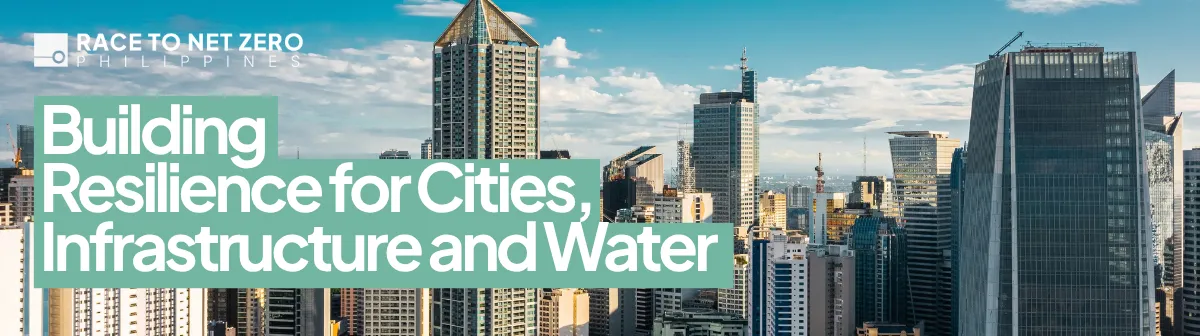
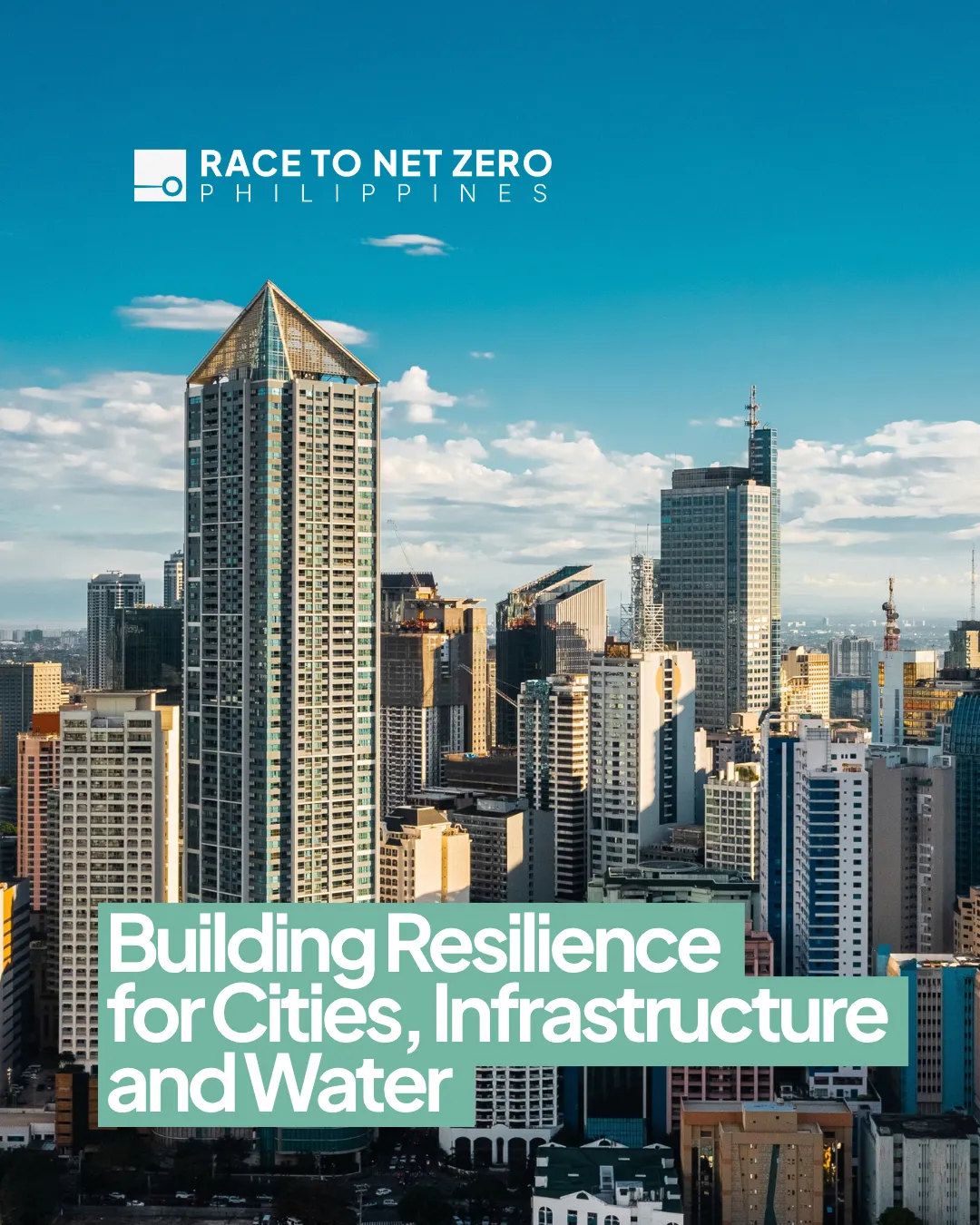
Learn moreStrengthening Cities, Infrastructure, and Water Systems
Local governments can connect climate goals with better buildings, waste services, water management, and infrastructure. In the Philippines, this means aligning existing sustainability programmes with measurable action that responds to community needs.
Learn moreAdvancing Human and Social Development
An inclusive transition begins with awareness and participation. Bringing youth, workers, communities, and underrepresented groups into climate conversations helps ensure that decisions reflect different experiences and expand access to learning and opportunities.
Learn moreEnabling Action through Finance, Technology, and Capacity
Implementation requires resources, skills, and credible information. Philippine priorities include science-based business roadmaps, accessible support for SMEs, climate finance, appropriate technologies, and readiness for climate-related trade requirements.
Learn more