The Philippines has plastic waste. Can we build the system to recover it?
Before a plastic bottle reaches a recycling facility, someone has to separate it, collect it, and bring it somewhere it can be sold. Each step affects whether that bottle returns to use and whether the person recovering it earns enough to make the work worthwhile.
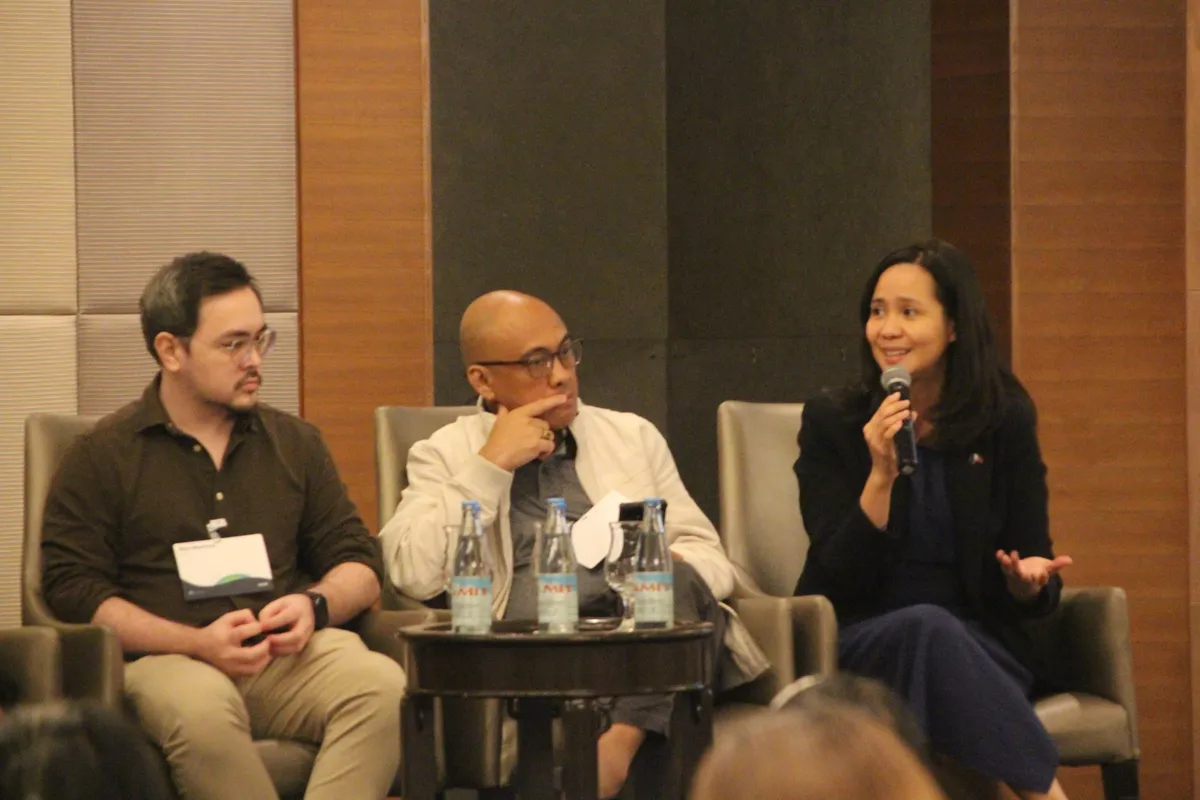
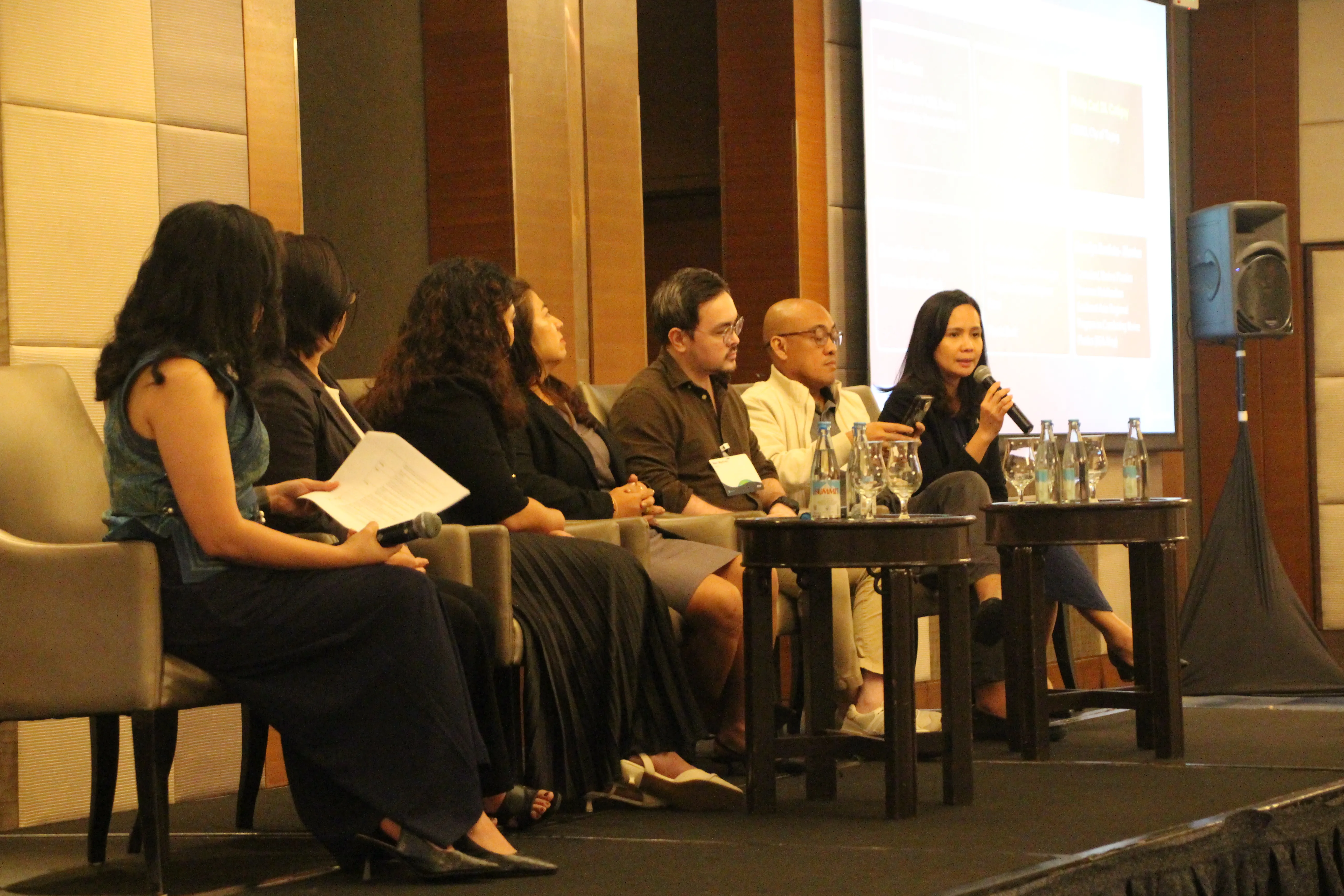
These connections were at the center of “EPR, Circularity, and Building a Recycling System,” held on October 7, 2026, where Ms. Dawn Marie F. Cabigon, Campaign Lead of Race to Net Zero Philippines (RtNZ PH), joined as a speaker and panelist.
The forum explored how plastic recovery can create income, help businesses take responsibility for their waste, and encourage investment in recycling.
Turning recovered plastic into income
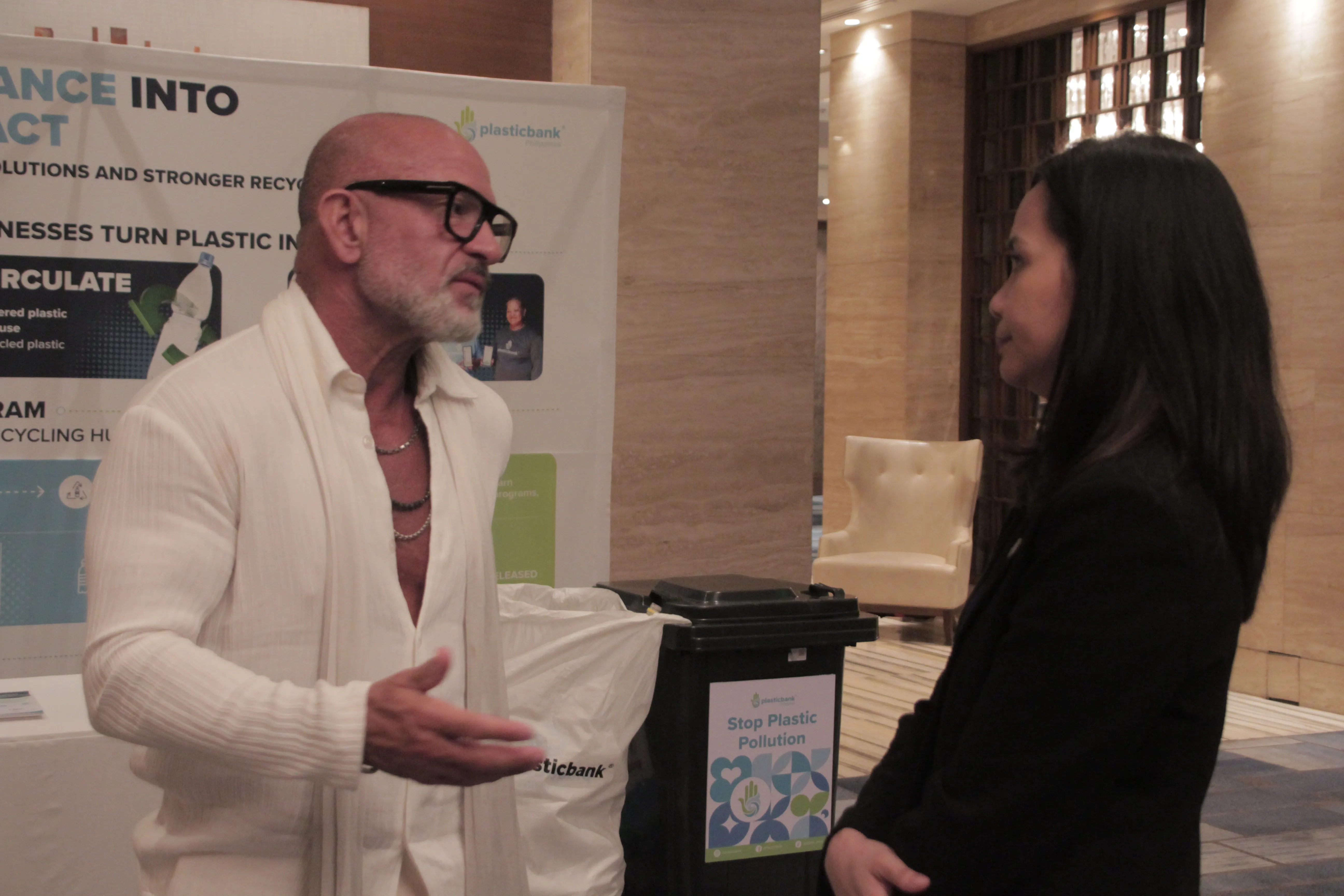
David Katz, Founder and CEO of Plastic Bank, discussed how collecting plastic can help people earn a living while keeping materials from becoming a source of pollution.
The discussion touched on why some plastics are harder to collect than others. Materials with ready buyers are more likely to be recovered. Those that cost more to collect and process than they can be sold for are often left behind.
This is where businesses have a bigger role to play. Taking responsibility for packaging after use can help fund the collection of materials that would otherwise have little value.
Helping recycling projects move forward
During the panel, Ms. Cabigon explained that an uncertain supply of suitable materials can make investors hesitate. Better segregation and collection can help give recycling businesses the confidence to set up or expand.
Finding the right solution means understanding local needs. A collection system that works in one city may need changes to serve a remote island. Equipment, transport, costs, and the people who will run the system all need to be considered.
Including the people behind collection
Waste pickers, junk shop operators, and community collectors already do much of the work that makes recycling possible.
The forum discussed how closely these efforts are connected. Collectors need fair earnings. Recycling businesses need a steady supply of usable materials. Households need dependable services. Investors need confidence that the system can keep running.
Making segregation easier to practice
People also need a system that supports what they are asked to do.
Separating waste at home is easier to sustain when there are suitable bins, clear collection schedules, and somewhere for the sorted materials to go.
For RtNZ PH, building a circular economy is part of moving toward net zero. Keeping materials in use can reduce the need to produce new ones and the emissions that come with it. Making this shift also means creating better opportunities for the people whose work keeps those materials moving.