What Philippine SMEs Need to Compete in Greener Supply Chains
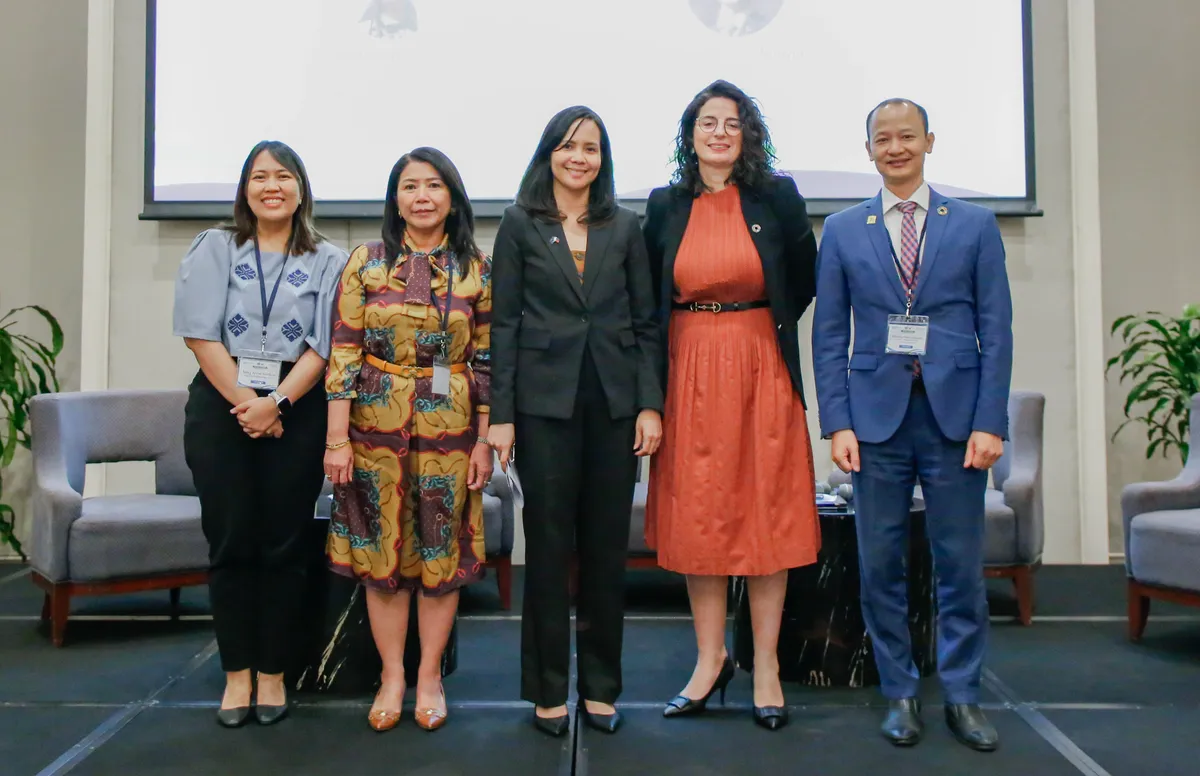
19 October 2026, Makati City — As sustainability increasingly shapes corporate purchasing decisions, Philippine small and medium enterprises (SMEs) need practical support to meet growing expectations and remain competitive in global supply chains.
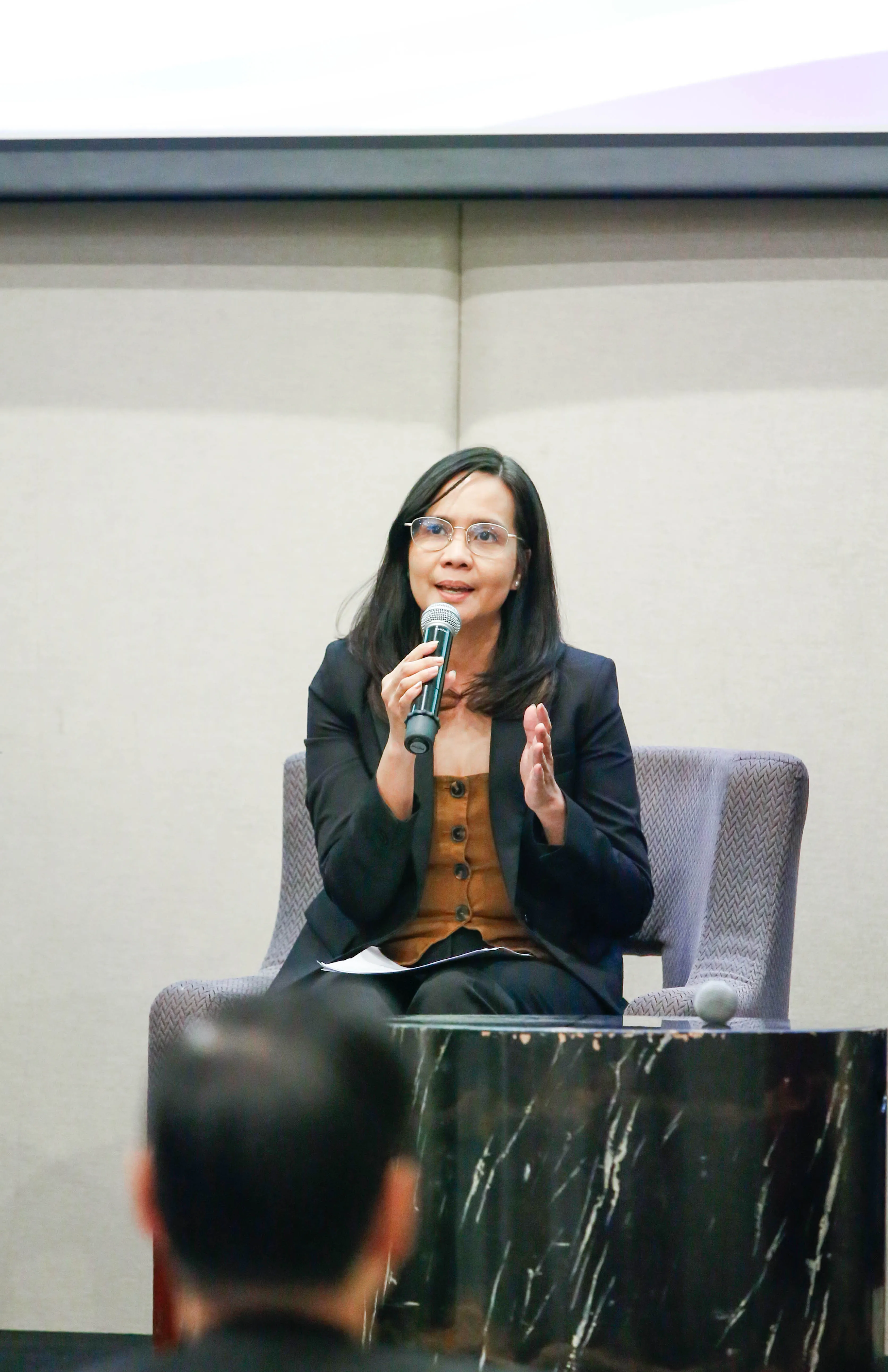
This was a key message shared by Race to Net Zero Philippines (RtNZ PH) Campaign Lead Dawn Cabigon during the “Deep Dive 1: Corporate Supply Chain Sustainability” session at the Green Growth Regional Exchange 2026, held at Makati Diamond Residences on September 14, 2026.
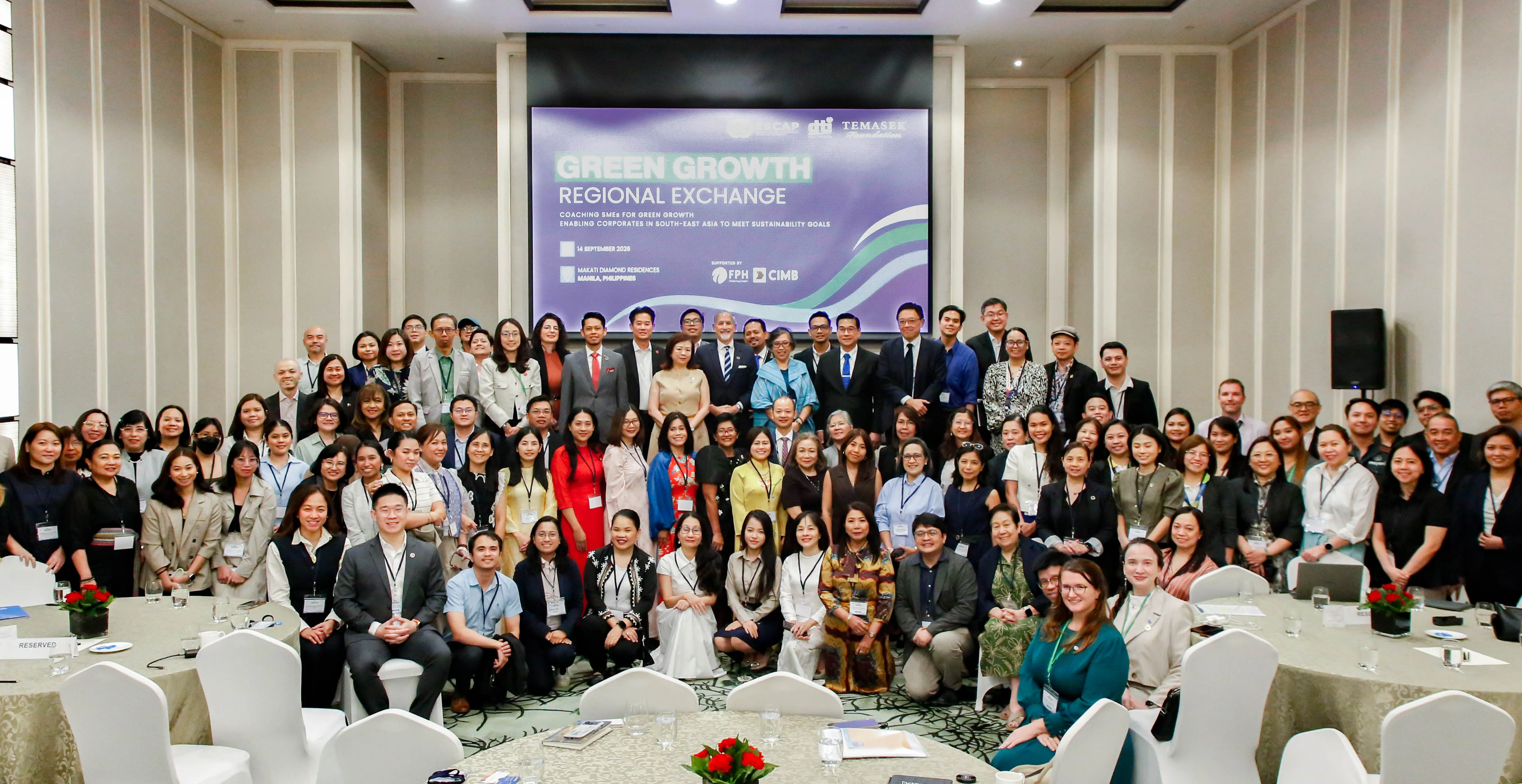
Organized by the United Nations Economic and Social Commission for Asia and the Pacific (ESCAP) and the Philippine Department of Trade and Industry (DTI), with support from the Temasek Foundation, the event brought together stakeholders from across ASEAN to exchange experiences and explore practical solutions for the green transition of SMEs.
Ms. Cabigon’s message focused on the gap between corporate sustainability expectations and the day-to-day capacity of Philippine suppliers. While European buyers increasingly seek information on emissions, energy consumption, and climate-related risks, many smaller businesses, however, still rely on manual records and have limited staff, technical expertise, and financing to collect and report this information.
The challenge is often one of capacity. Meeting these expectations requires time, reliable data, and resources that SMEs may struggle to secure alongside their daily operations.
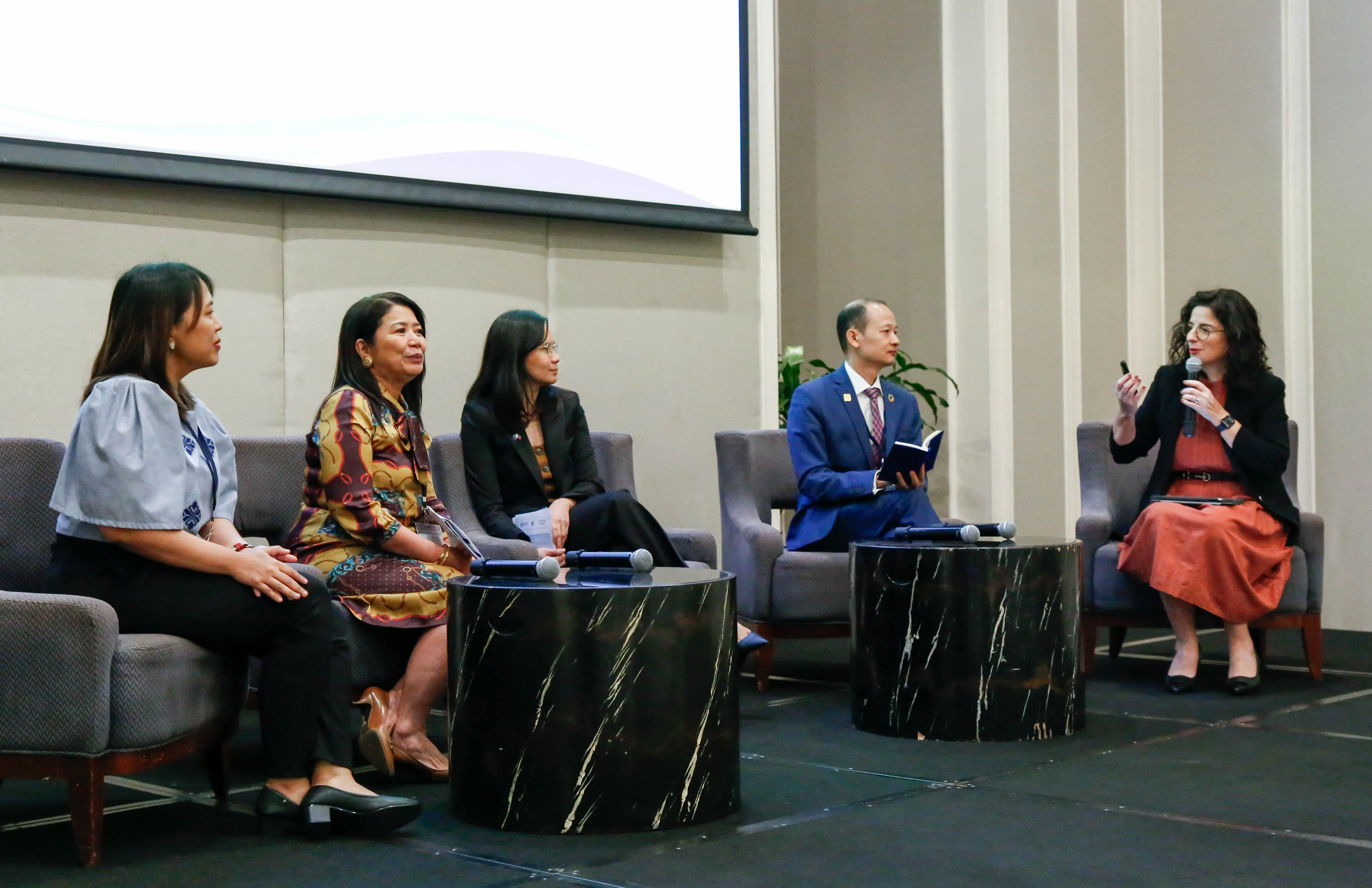
The discussion also considered how relationships between corporations and suppliers could change as sustainability requirements tighten. Environmental performance is increasingly becoming part of procurement decisions, supplier evaluations, and contract renewals. Without adequate support, smaller suppliers could risk losing contracts or future business opportunities.
For the transition to succeed, buyers must consider how suppliers can meet these expectations and sustain the changes required.
This shared responsibility is particularly relevant to Scope 3 emissions, which include emissions across a company’s value chain. Corporate net-zero commitments depend in part on progress among suppliers, making their capacity to decarbonize essential to wider climate goals.
Ms. Cabigon emphasized that large companies should enable suppliers to reduce emissions, rather than simply pass obligations down the supply chain. Pairing sustainability expectations with technical assistance, financing, and sustained commercial relationships can help turn commitments into action.
For RtNZ PH, the discussion reinforced the need to connect climate ambition with the conditions that make implementation possible. Bringing SMEs along means ensuring that smaller businesses have a meaningful role, and the resources to act, in the Philippines’ transition to net zero.